Home >

Items per page
cattle

25 March 2026

Mastitis in Cattle[1]

Mastitis is an inflammation of the mammary gland, usually from bacterial infection. It causes painful, swollen udders, abnormal milk with clots, flakes or blood, reduced yield, and potential systemic illness. It poses major welfare and economic issues for dairy farms. It presents as clinical or subclinical forms impacting milk quality and cow health, sometimes leading to fatality. Mastitis is controlled through hygiene, proper milking and available prevention / treatment options.

What causes Mastitis?

Mastitis in cows is primarily caused by bacterial infections that enter the udder through the teat canal. Other factors include physical injury to the udder, which may be caused by improper milking machines or trauma, dirty bedding or poor hygiene conditions, and a cow’s low immunity. Occasionally, other organisms like fungi or viruses can also cause Mastitis.

How does mastitis spread in cattle?

Bacterial infection is one of the most common causes of mastitis in cattle, causing an immune response that leads to inflammation. Some of the common bacteria include Staphylococcus aureus, Streptococcus uberis, and Escherichia coli[2].

Apart from infection, poor hygiene and environmental factors may also lead to mastitis. Injury to the udder from accidents, over-milking, or poorly maintained milking equipment can lead to mastitis. Unsanitary conditions in the barn, on the bedding, or around milking equipment create a favourable environment for bacteria to spread to the udder. A cow’s immune system is crucial. A compromised immune system due to poor nutrition or stress can make a cow more susceptible[3].

What are the Mastitis signs to watch for in cattle?

  • Clinical Mastitis (Visible Signs):
    • Udder Changes: Swelling, heat, redness, hardness, or lumps in one or more quarters.
    • Milk Changes: Watery appearance, flakes, clots, pus, or blood.
    • Cow’s Behaviour: Reduced milk yield, loss of appetite, fever, rapid breathing, hunched posture, stiffness, or reluctance to move.
  • Subclinical Mastitis (Hidden Signs):
    • No visible udder or milk changes, but milk has a high somatic cell count (SCC).

What is the impact of Mastitis in cattle?

  • Reduced Milk Production: Infected cows produce significantly less milk, with losses varying by pathogen and severity, impacting overall farm revenue.
  • Discarded Milk: Milk from treated cows must often be discarded during antibiotic withdrawal periods, leading to direct revenue loss.
  • Treatment & Vet Costs: Direct expenses for antibiotics, supportive drugs, diagnostics, and veterinary services add up quickly.
  • Culling & Replacement Costs: Cows failing to recover or with chronic issues are often culled prematurely, incurring costs for replacement heifers and lost future production.
  • Quality Premiums: High Somatic Cell Counts (SCC) from subclinical mastitis reduce milk quality, leading to lower prices or refusal by processors.
  • Labor: Increased labor is needed for special care, treatment, and managing diseased animals.

Prevention, control and treatment of Mastitis in Cattle

Prevention of mastitis in cattle focuses on a multi-layered approach that combines physical barriers, rigorous hygiene, and biological therapies.


  1. Milking Routine and Hygiene
  • Teat Disinfection: Dip teats in antiseptic solutions both before and after milking to kill bacteria on the skin.
  • Clean and Dry Preparation: Always wash and thoroughly dry udders using individual disposable paper towels or sanitized cloths before attaching milking units.
  • Milking Order: Milk healthy, young cows first and known infected cows last to prevent cross-contamination.
  • Operator Hygiene: Milkers should wear clean gloves and wash them frequently during the milking process.
  1. Environmental Management
  • Dry Bedding: Use clean, dry, and comfortable bedding (e.g., sand or fresh straw) and replace it daily to minimize bacterial growth.
  • Clean Housing: Regularly scrape alleyways and feeding areas to prevent manure from splashing onto udders.
  • Post-Milking Standing: Provide fresh feed immediately after milking to keep cows standing for 30–60 minutes, allowing the teat canal to close before they lie down.
  • Pasture Management: Avoid muddy or poorly drained areas and implement fly control measures, especially to prevent “summer mastitis”.
  1. Equipment Maintenance
  • Milking Machine Checks: Ensure vacuum levels and pulsation rates are correctly set; excessive vacuum can damage teat ends and increase infection risk.
  • Liner Replacement: Replace teat cup liners on a regular schedule (e.g., every 2,500 milkings for rubber) to maintain effectiveness and hygiene.
  1. Dry Cow Management
  • Dry Cow Therapy (DCT): Use long-acting intramammary antibiotics at the end of lactation to treat existing subclinical infections and prevent new ones during the dry period.
  • Teat Sealants: Apply internal teat sealants to create a physical barrier against environmental bacteria. Bismuth subnitrate is the primary active ingredient in non-antibiotic internal teat sealants. It is a viscous, inert paste that forms a physical plug in the teat canal, mimicking the cow’s natural keratin plug to block bacterial entry during the dry period.
  1. Health and Nutrition
  • Balanced Nutrition: Ensure adequate intake of Vitamin E and Selenium, which are crucial for immune function and udder health.
  • Vaccination: Administer coliform mastitis vaccines (e.g., J5) to reduce the severity and duration of clinical mastitis, although they may not prevent all new infections.
  • Culling: Remove chronically infected cows from the herd to eliminate persistent sources of infection.


References:

  1. Cheng WN, Han SG. Bovine mastitis: risk factors, therapeutic strategies, and alternative treatments – A review. Asian-Australas J Anim Sci. 2020 Nov;33(11):1699-1713. doi: 10.5713/ajas.20.0156. Epub 2020 May 12. PMID: 32777908; PMCID: PMC7649072.
  2. https://www.icbf.com/mastitis/
  3. https://kb.rspca.org.au/categories/farm-animals/cattle/dairy-cattle/what-is-mastitis-in-dairy-cows
sheep

24 November 2025

We’re excited to share that Exishield™ Gold has officially been renamed to Exilice™ Gold. This name change reflects our refreshed branding strategy and strengthens alignment across our product portfolio.
What’s Changing?
Only the name — the formulation, efficacy, and registration remain exactly the same.
• Exishield™ Gold is now EXILICE™ GOLD — same trusted formulation, just a refreshed name.
• No changes to the product itself — only the name.
• No changes to product code, barcode or price.

Product Name: EXILICE™ GOLD DUAL ACTIVE POUR ON LICE CONTROL FOR SHEEP
Active Constituents: IMIDACLOPRID 35mg/mL, ABAMECTIN 4mg/mL
Claim: For the treatment and control of susceptible strains of lice (Bovicola ovis) on sheep, including synthetic
pyrethroid resistant lice, when applied up to 7 days after shearing. Sheep will be protected against re-infestation
with lice for 5 weeks after treatment when applied within 24 hours of shearing.
APVMA Approval No: 92535/149323

Thank you for your continued trust in our products. If you have any questions, please contact us on (02) 8088 0720, email sales@abbeylabs.com.au or fax (02) 8088 0721.

Poultry

24 November 2025

Coccidiosis in Chickens
Coccidiosis is one of the most common and costly diseases seen in chickens, particularly in birds raised on the ground—such as free-range or those kept on litter floors. It’s caused by a microscopic parasite that attacks the gut, leading to poor health, slower growth, and sometimes death if left untreated.

What Causes Coccidiosis
Coccidiosis is caused by several species of Eimeria, a group of tiny, single-celled parasites (called coccidia). These parasites live inside the lining of the gut, damaging it as they multiply. This damage reduces the chicken’s ability to absorb nutrients and can cause dehydration, blood loss, and make birds more vulnerable to other gut infections.
Each bird species has its own type of coccidia—so the ones that affect chickens don’t spread to ducks, turkeys, or other birds.

There are three key species of Eimeria that affect chickens, E. acervulina, E. maxima, and E. tenella. Some cause disease in the intestines, while one species targets the caeca (the pouch at the junction of the small and large intestine). Chickens can be infected by more than one species at the same time.

How It Spreads
Coccidiosis spreads through droppings. Infected birds pass tiny, egg-like structures called oocysts in their manure. When the environment is warm and damp, these oocysts become infective and can survive in litter, soil, and on equipment. Chickens become infected when they pick up and swallow these oocysts while scratching or pecking around. Once inside the gut, the parasites multiply rapidly, completing their life cycle in just 2 to 5 days, so infections can spread very quickly through a flock.

Which Birds Are at Risk
All poultry can get coccidiosis, but it’s most common in young chickens between 3 and 20 weeks of age. Very young chicks are usually protected for the first few weeks until the parasite builds up in the environment.

Signs to Watch For
Signs of coccidiosis can vary depending on how severe the infection is and which part of the gut is affected. Common signs include:
• Dullness or depression
• Pale combs
• Reduced appetite or weight loss
• Ruffled feathers
• Droppings with excess water, mucus or blood (blood is more common with caecal coccidiosis)
• Dirty feathers around the vent (more common with intestinal coccidiosis)

How It Affects Your Flock
Even mild coccidiosis can cause big production losses:
• Slower growth and poor feed conversion in meat birds
• Drop in egg production or poor eggshell quality in layers
• Greater risk of secondary gut infections including enteritis
Birds gradually build immunity to the coccidia they’re exposed to, but a heavy infection or exposure to unfamiliar species can still cause disease. Immunity to one species doesn’t protect against others.

Prevention and Control
1. Good Hygiene
• Keep litter as dry as possible—coccidia thrive in damp conditions.
• Manage drinkers to prevent leaks and wet spots.
• Maintain good ventilation and turn the litter if needed.
• Practise biosecurity: clean boots, control rodents, and keep wild birds away from feed and housing.
2. Medication
Coccidiostats (anti-coccidial medications) can be added to feed or water to help prevent or control outbreaks of coccidiosis.
For active infections, several treatment options are available. The most commonly used medications are amprolium and toltrazuril, both of which are effective against the coccidia species that affect chickens.
If you suspect coccidiosis in your flock, contact your veterinarian as soon as possible. Early diagnosis and prompt treatment are essential to reduce losses and prevent the disease from spreading.

Key Takeaway
Coccidiosis can spread quickly—but with good hygiene, sound management, and the right vaccination or medication program, it can be effectively controlled. Keeping litter dry, practising good biosecurity, and monitoring your flock daily are the best ways to protect your chickens.

More Information
For more information on Abbey’s coccidiosis medications and how they can help prevent and treat disease in your flock, please follow the links below:

https://abbeylabs.com.au/product/coxi-quell-25-coccidiocide-solution-for-poultry/
https://abbeylabs.com.au/product/coxi-stat-coccidiocide-solution-for-poultry/

Equine

27 October 2025

Abbey Animal Health is pleased to announce the acquisition of the RWR business, with the transaction due to be completed on Monday, September 22, 2025.

Under this agreement, Abbey Animal Health has acquired the product registrations, trademarks, and business operations from RWR. This strategic acquisition marks an important step forward in Abbey’s ongoing commitment to expanding our capabilities and presence in the equine health market, as well as strengthening our export footprint by introducing Abbey’s broader product portfolio to RWR’s established customer base.

Abbey Animal Health Managing Director Mick Findlay commented: “This acquisition represents both a personal and professional milestone. My first role in the animal health industry after university was with Syntex Animal Health, where Mike Craft, one of the founders of RWR, was the General Manager. It’s a privilege to now build
on that long-standing relationship by welcoming the RWR business assets into the Abbey family.”

Abbey would like to thank Mike and Tanya Craft, the owners of RWR, for their commitment to the RWR brand over the years and for their trust in transitioning the business into Abbey’s hands.

This acquisition reflects Abbey Animal Health’s continued investment in delivering high quality
solutions for animal health professionals and producers, both in Australia and across international markets.

Further updates regarding product availability and integration plans will be shared with customers and partners in due course.

For customer enquiries, please contact Abbey Animal Health on 02 8088 0720.

Pigs

25 October 2023

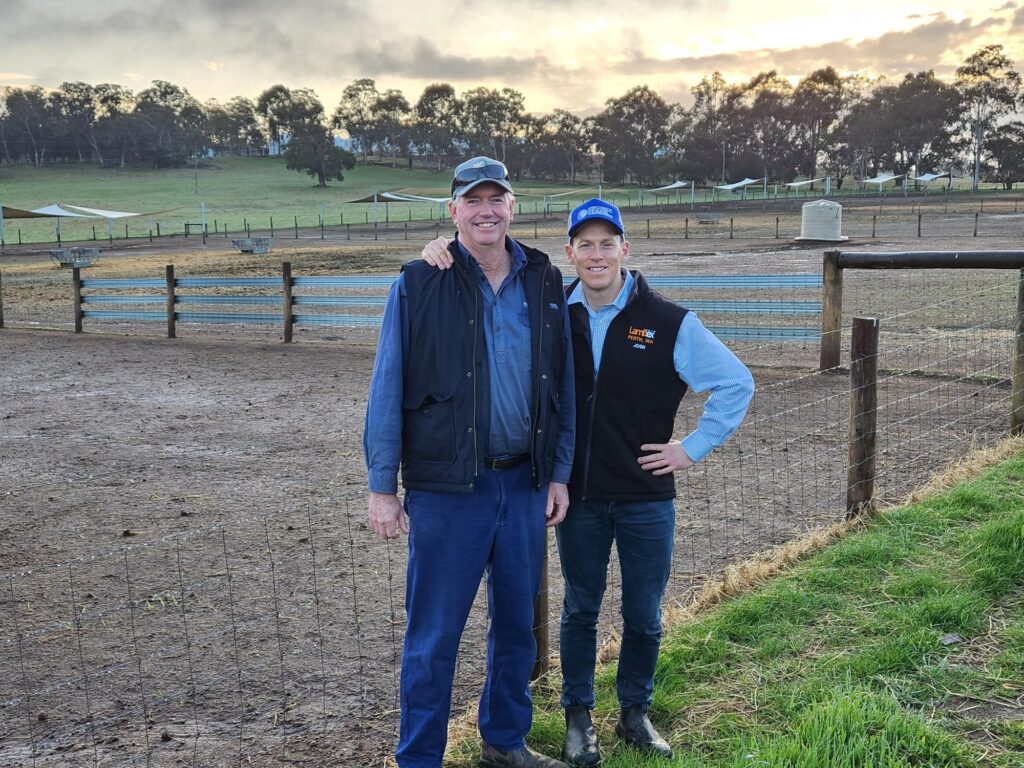
A terrific turn out of over 50 pig producers and professionals including Abbey Animal Health’s WA Business Manager Josh Sweeny, all attended the WAPPA Industry Day in Perth. A diverse, strong line up of speakers filled the day, which included WA’s Chief and Deputy Veterinary Officers Dr Michelle Rodan and Dr Marion Seymour, who tackled the pressing issues linked with emergency animal disease preparation and WA’s current response to Japanese Encephalitis Virus (JEV).

The Department of Primary Industries and Regional Development Director for Regional Compliance Noel Chambers elaborated on DPIRD’s approach to the new amendments to the Animal Welfare Act.

Some intriguing insights into the global and national grain and meat markets, together with economic trends in agriculture were discussed by Matt Dalgeish from Episode 3.

The day concluded with a spectacular presentation from a key WA pig producer in that of Dawson Bradford who opened his farms doors to the diverse mixed farm operation of Hillcroft Farms which he runs in Popanyinning. Dawson provided strong visual insights to his pig production, feed grain and sheep setups, touching upon such topics like ‘being different from the rest’ and utilising tried, proven feed strategies to control P2 backfat and lift feed conversion.

It was an excellent event which allowed both strong networking and learning opportunities for the WA pig producers professionals across the state, reiterating the importance pig production has for the WA agricultural industry.

Dawson Bradford (above) speaking from Hillcroft Farms


sheep

25 October 2023

The annual Dowerin Machinery Field Day at the end of August attracted a strong audience across both the two days. The 2023 field day attracted close to 17,000 people and had over 550 exhibitors present.

The event is a pivotal field day in the WA agriculture community calendar, allowing business’ to showcase their products and services which support the operations of primary producers and farmers. Additionally, this field day presents a platform to promote WA agriculture to a broader audience.

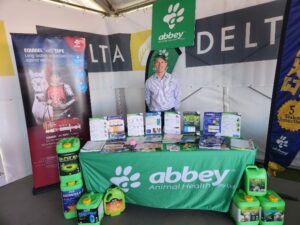
Abbey Animal Health’s WA Business Manager Josh Sweeny was privileged to attend this event and enjoyed the opportunity of engaging with farmers, livestock professionals and veterinarians with the Delta Ag WA stand. Josh was pleased to help farmers understand what different economical animal health opportunities are available through Abbey Animal Health. This in turn gave capacity to lower some of their enterprise input costs during a challenging period for both sheep and cattle industries following notable downturns in both markets in WA and nationwide.

The event is integral to supporting local rural communities within the Wheatbelt region and Abbey Animal Health are looking for to being back to support the event in 2024!

sheep

24 August 2023

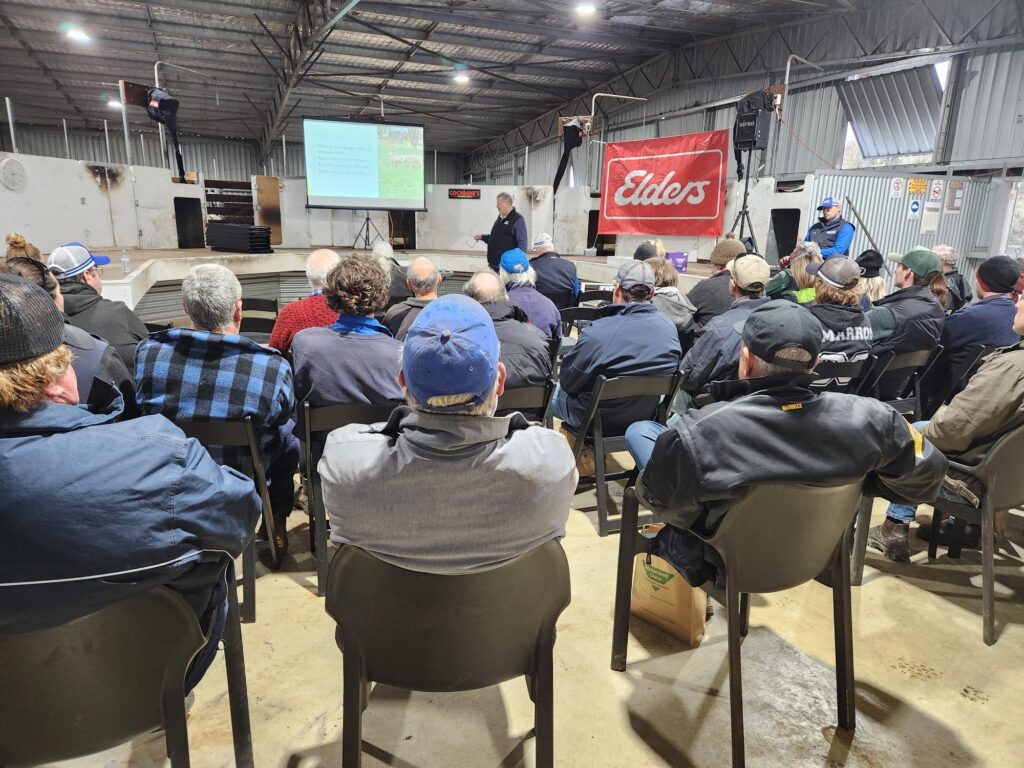
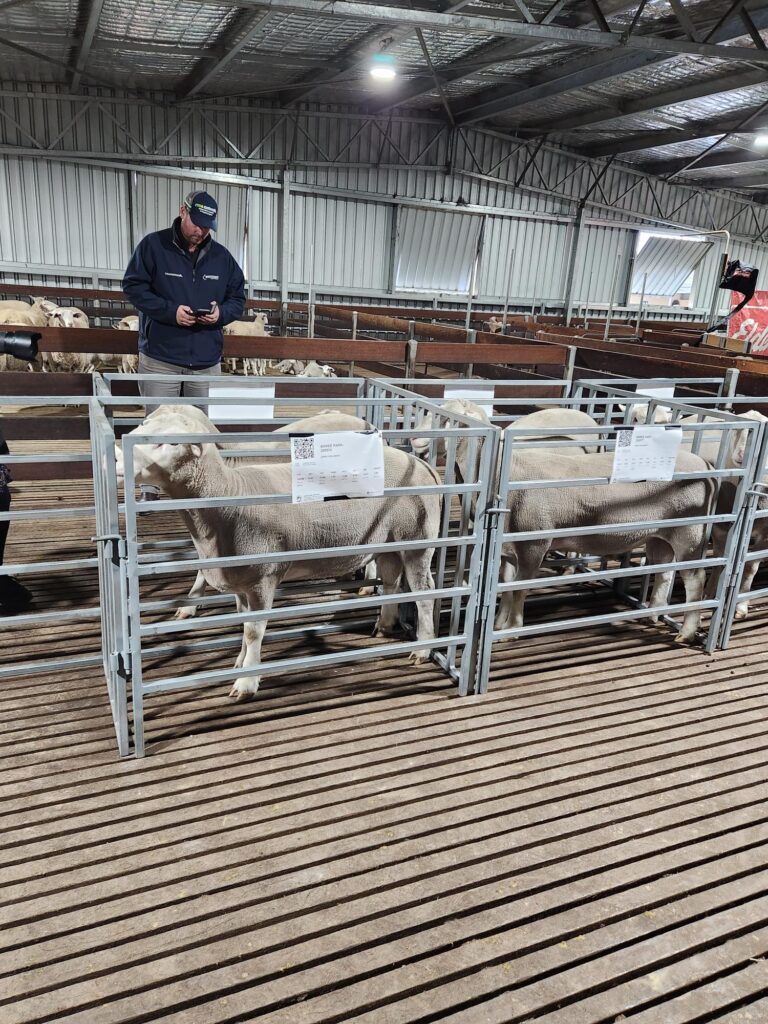
Boree Park held their inaugural Open Day on July 25. The event was supported with a large turnout of sheep producers, consultants, agricultural professionals, and veterinarians in attendance.

Abbey Animal Health Western Australia Business Manager, Josh Sweeny, was one of approximately 90 attendees at the event. Attendees were given the opportunity to closely inspect a range of spectacularly looking White Suffolk rams.

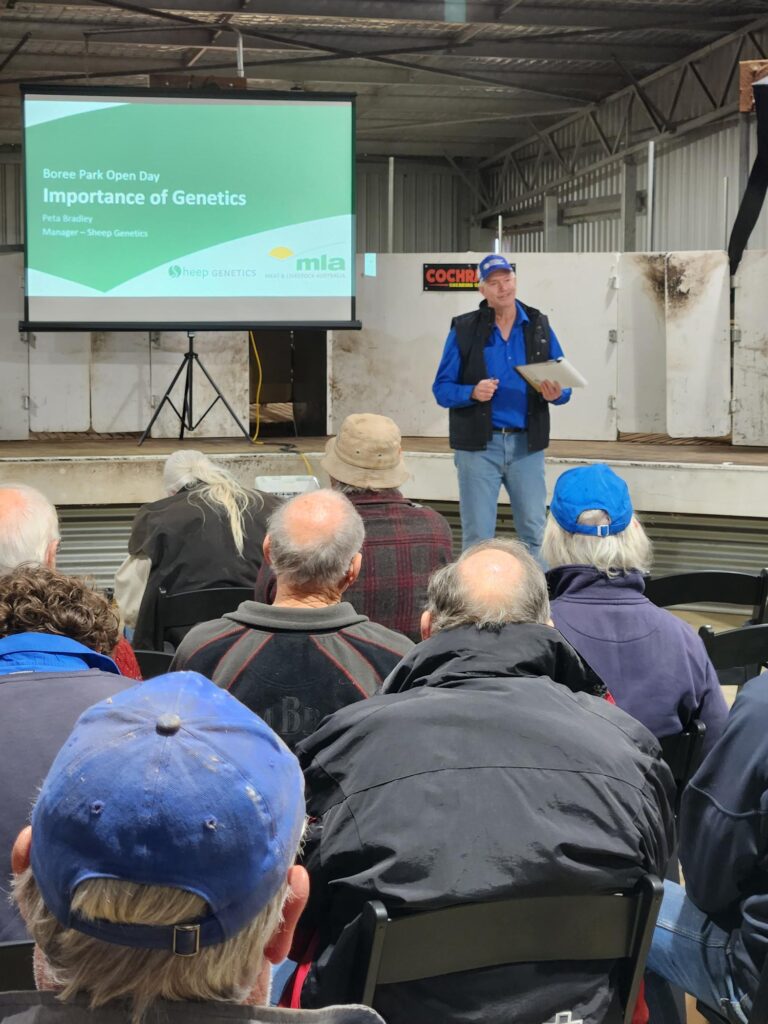
Several speakers gave very informative and well received talks covering topics such as EID tags, sheep and goat traceability, and MLA’s Peta Bradley presented advancements in eating quality traits achieved through ASBV genetic selection.

The attendees were treated to an array of delicious food such as lamb pies, skewers, and sliders…YUM, excellent food all round!

Feedback from attendees was very positive and appreciative, with most commenting on the quality of the information delivered, particularly around important advancements in genetic selection, nutrition, and animal health management now available for sheep enterprises nationwide.

A big thank you to Boree Park for organising and hosting the event.


sheep

18 May 2023

Abbey Animal Health are excited to announce the launch of EXISHIELD™ GOLD Pour On for the control of Sheep Lice.

EXISHIELD™ GOLD is a dual active pour-on that contains imidacloprid and abamectin, both lousicide’s are recognised as highly effective in combating lice in sheep. The actives work synergistically to help provide better, overall, long lasting sheep lice protection.

EXISHIELD™ GOLD is a highly effective lice management lousicide and should be considered as your first choice in lice protection and management, given its two actives and their ability to work synergistically in providing sheep the treatment and control of susceptible strains of sheep lice.

EXISHIELD™ GOLD™ can be applied immediately and up to seven days after shearing, and it will provide up to five weeks of lice protection. It’s priced competitively so that you can afford great lice protection for your sheep.

As EXSHIELD™ GOLD contains imidacloprid, a member of the neonicotinoid family of chemicals and abamectin, a member of the macrocyclic lactone family of chemicals, resistance may develop to any chemical. We would recommend you use a non-macrocylic based drench, such as Abbey COMBITAK to help minimise worm resistance.

EXISHIELD™ GOLD 20L is available for purchase now through your local independent rural retailer, ask for the green drum.

Purchase yours today and protect your sheep tomorrow. Double up to double down.

Abbey Animal Health is an Australian owned and operated company and can be contacted via abbeylabs.com.au or our information line 02 8088 0720.

Pigs

29 October 2019

Most producers understand that iron is an essential nutrient for all livestock, vital for producing the proteins that enable red blood cells to carry oxygen around the body and facilitate normal growth. Yet piglets in particular are commonly born with low iron reserves. That’s why it’s become standard global practice to inject piglets with doses of up to 200 milligrams of supplementary iron to prevent anaemia, particularly in the first 60 days of life when their body weight should increase tenfold.

However in doing so, producers bear an important responsibility. Ultimately they’re not just breeding pigs, but preparing a food product for human consumption. That’s why it’s important for producers to realise that impurities in injectable iron products are a serious concern for the agricultural industry.

An independent study, published in the Journal of Swine Health and Production in 2018 analysed 16 injectable iron products from around the world, testing them in particular for heavy metal impurity levels including arsenic, cadmium, chromium, cobalt, lead and mercury. In 15 of these products, the levels of arsenic, chromium and/or lead, exceeded the permitted daily exposure limits for humans.

The study concluded that arsenic, chromium and lead could inadvertently be administered to pigs receiving iron injections. Although the effects of these heavy metals in humans is well known, the effects in young pigs is yet to be determined.

Choose a ‘heavy metal-free’ injectable iron product for your piglets

One product tested ‘clean’ in terms of levels of chromium, lead and arsenic below Permitted Daily Exposure (PDE) limits. That product is Uniferon® (Abbey Animal Health), which contains 200mg/mL of iron.

Uniferon® is manufactured without the use of organic solvent or cyanide, avoiding trace residues of heavy metal impurities. It’s the one brand of injectable iron that met human pharmaceutical standards.

The quality of injectable products depends on the steps taken to avoid and remove impurities that may be introduced during manufacture.  The 2018 tests demonstrate that the way in which Uniferon® is manufactured makes this goal achievable. The tests provide reassurance that producers can administer quality iron without the risk of heavy metal impurities.

Heavy metals don’t belong in iron products

Balancing animal health and welfare while meeting food standards is paramount. Producers and veterinarians need to be aware that heavy metals simply don’t belong in these products and don’t need to be there.

Consumer expectations are also driving retailer and producer behaviours. Consumer trends towards eating animal products that are minimally processed – such as the ‘clean eating’ movement – place more responsibility on the shoulders of injectable iron manufacturers and producers to meet these expectations. Not only should the product consistently deliver the correct amount of iron, it shouldn’t be contaminated with heavy metal impurities. Put simply, to maintain the health and profitability of its animals, the industry needs ‘clean’ injectable iron products.

The potential for iron products to deliver elevated levels of heavy metals to very young piglets is a concern… especially when there is no need to compromise. Pig producers can now make an educated choice by choosing ‘clean’ iron to safely and effectively prevent iron deficiency and anaemia within their litters.

References: 1. Australia New Zealand Food Standards Code – Standard 1.4.1 – Contaminants and Natural Toxicants

https://www.legislation.gov.au/Details/F2016C00167 2. Radke SL, Olsen CW, Ensley SM. Elemental impurities in injectable iron products for swine. J Swine Health Prod 2018; 26(3):142-145. 3. Animal Health, Welfare and Food Safety  Implications of Injectable Iron Products for Piglets. International Animal Health Journal 2019; 55 (2): 54-57.

Subscribe to our monthly newsletter and stay up to date with all news and events.

Cast your vote

"*" indicates required fields

Pick One Option*

Sign up to our Horse Owner Hub